Bioinformatics and Biological Data Science: Transforming Biological Data into Scientific Insights
Explore bioinformatics and biological data science, including genomics, NGS data analysis, computational biology, machine learning, and multi-omics research.
Introduction: The Growing Importance of Bioinformatics in Modern Biology
Modern biological research generates enormous volumes of data from DNA sequencing, RNA analysis, protein characterization, cell profiling, and other molecular technologies. Understanding these complex datasets requires more than experimental laboratory techniques. It also requires advanced computational methods capable of identifying patterns, interpreting molecular relationships, and extracting meaningful scientific information.
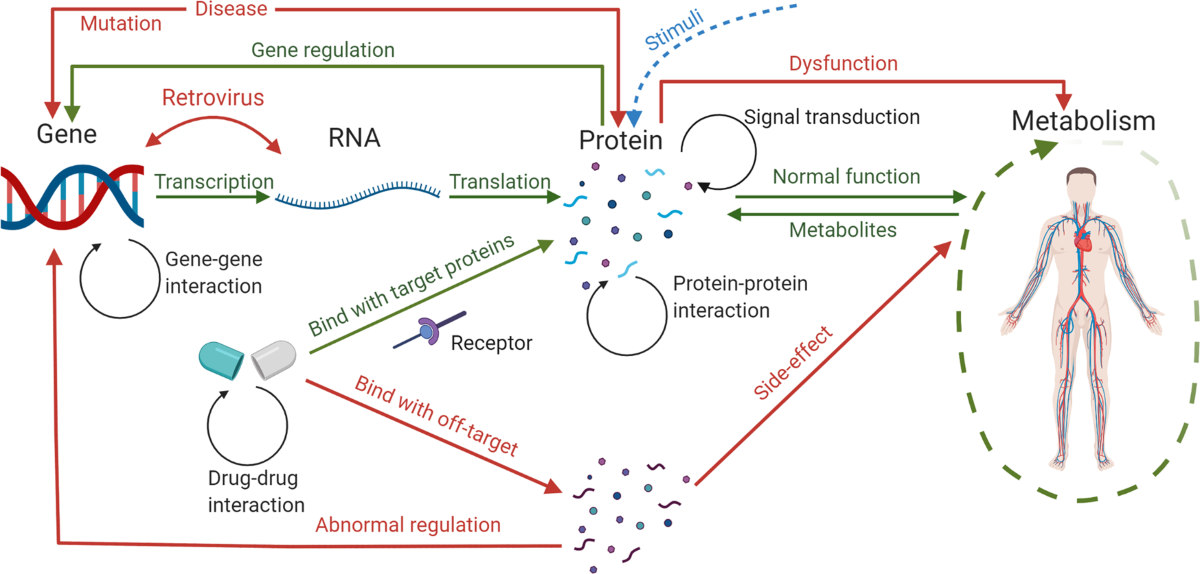
This is where bioinformatics and biological data science play an essential role. By combining biology, statistics, computer science, and artificial intelligence (AI), these disciplines help researchers transform complex biological information into valuable insights.
From genomics and transcriptomics to proteomics and systems biology, bioinformatics supports a wide range of research applications. As biological datasets continue to expand, data-driven approaches are becoming increasingly important for scientific discovery and biotechnology innovation.
1. What Is Bioinformatics?
Bioinformatics is an interdisciplinary field that applies computational tools, algorithms, and statistical methods to biological data. It helps researchers organize, process, compare, and interpret information generated through molecular biology experiments and high-throughput technologies.
Common bioinformatics applications include:
- DNA and RNA sequence analysis.
- Genome assembly and annotation.
- Gene expression analysis.
- Protein sequence and structure analysis.
- Identification of genetic variations.
- Biological database management.
- Molecular pathway and interaction analysis.
- Integration of data from multiple experimental platforms.
For example, researchers can use bioinformatics pipelines to analyze sequencing data, compare genetic sequences, identify differences in gene expression, and investigate relationships between biological molecules.
Bioinformatics therefore provides a computational foundation for modern genomics, molecular biology, and biotechnology research.
2. What Is Biological Data Science?
Biological data science focuses on applying data science principles to biological questions. It combines data processing, statistical modeling, visualization, machine learning, and predictive analytics to explore complex biological systems.
While bioinformatics often emphasizes biological sequence analysis and specialized computational tools, biological data science encompasses a broader range of analytical approaches, including large-scale data integration and machine learning.
Key methods include:
- Statistical analysis: Identifying significant patterns and relationships in experimental datasets.
- Machine learning: Developing models that recognize patterns in complex biological information.
- Data visualization: Presenting scientific findings through interactive graphs, charts, and molecular networks.
- Predictive modeling: Exploring relationships and potential outcomes based on available data.
- Big data analytics: Processing large datasets generated by sequencing platforms and high-throughput experiments.
- Data integration: Combining information from genomics, transcriptomics, proteomics, and other omics disciplines.
Together, bioinformatics and biological data science help researchers investigate biological complexity using reproducible, data-driven approaches.

3. Major Applications of Bioinformatics in Life Sciences
Genomics and Next-Generation Sequencing
Genomics generates large datasets that require specialized computational analysis. Bioinformatics tools support genome assembly, sequence alignment, variant analysis, and functional annotation.
Next-generation sequencing (NGS) data analysis is particularly important because it transforms raw sequencing reads into organized datasets that researchers can interpret and compare.
Typical NGS bioinformatics workflows include quality control, sequence alignment, quantification, statistical analysis, and visualization.

Transcriptomics and RNA Sequencing
Transcriptomics examines RNA molecules expressed within cells or tissues under particular experimental conditions. RNA sequencing (RNA-seq) provides a powerful method for investigating gene expression and transcriptional activity.
Bioinformatics analysis of RNA-seq data can help researchers:
- Quantify gene expression.
- Compare expression between experimental groups.
- Identify differentially expressed genes.
- Explore alternative splicing.
- Investigate transcriptional networks.
- Integrate gene expression results with other molecular datasets.
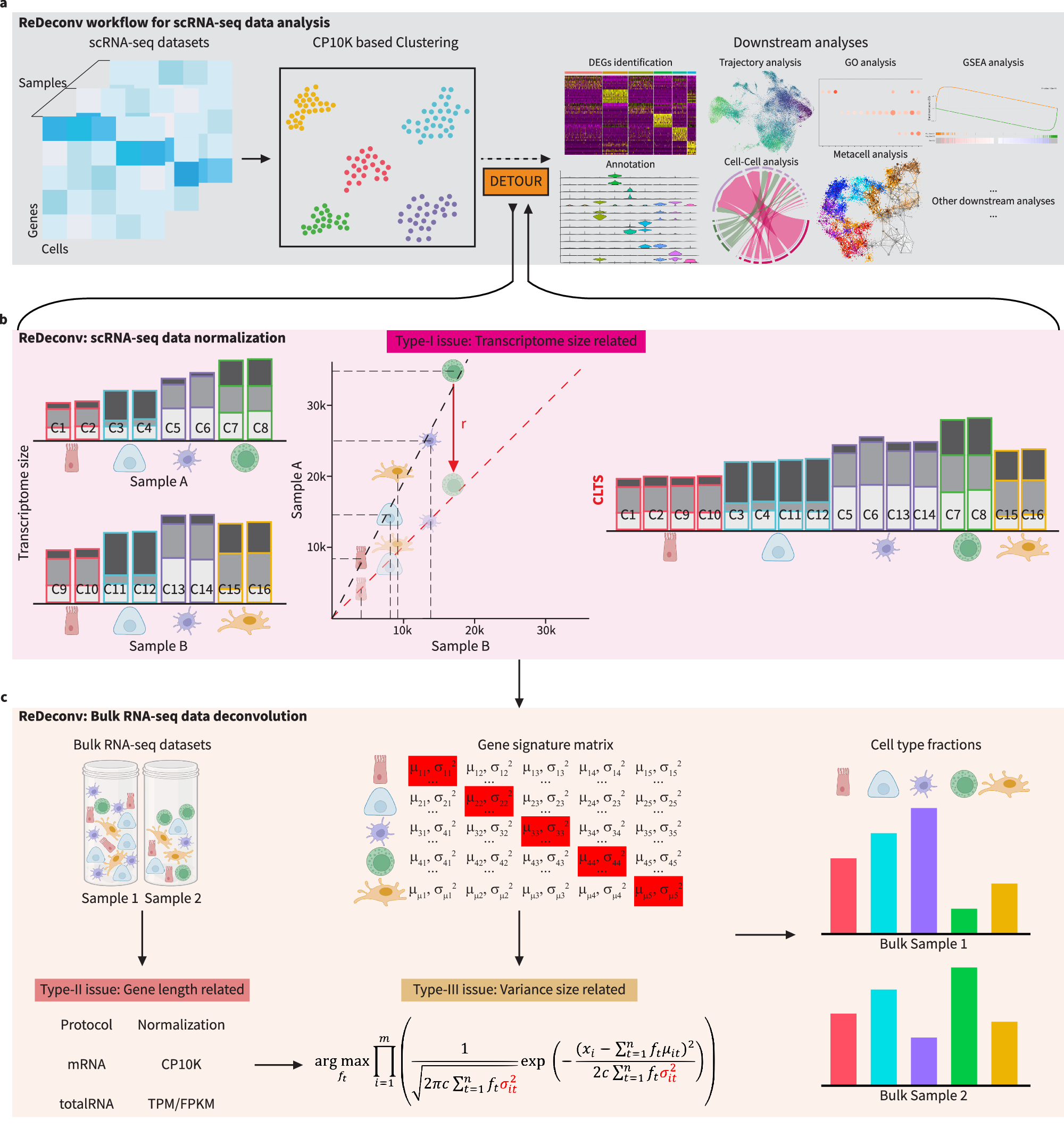
Single-cell RNA sequencing extends these capabilities by allowing researchers to study gene expression at individual-cell resolution. Computational methods help identify cell populations, characterize cellular heterogeneity, and explore cell-to-cell relationships.
Proteomics and Protein Data Analysis
Proteomics generates information about proteins, their abundance, structural characteristics, and interactions. Computational analysis helps organize and interpret data obtained through mass spectrometry, protein profiling, and related experimental techniques.
Bioinformatics applications in proteomics include protein identification, quantitative analysis, functional annotation, pathway enrichment, and protein interaction network analysis.
Combining proteomics with genomics and transcriptomics can provide a more comprehensive view of biological systems.
Multi-Omics Data Integration
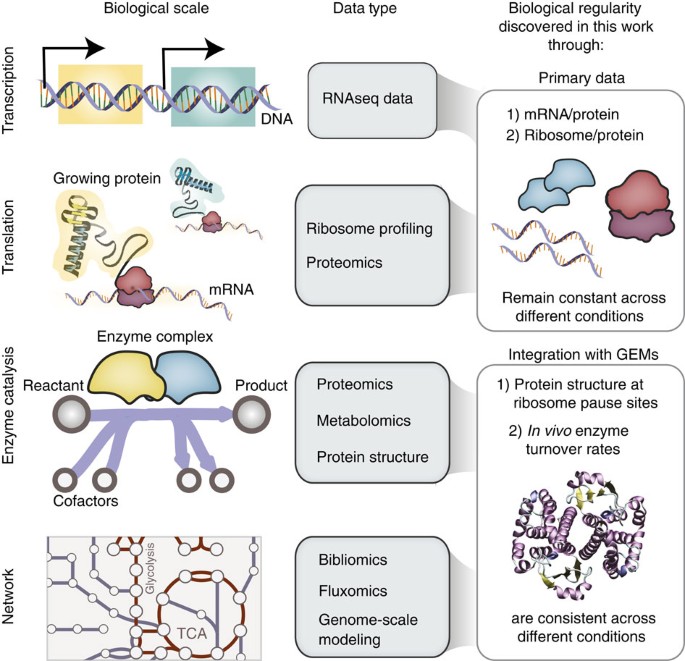
Multi-omics research combines multiple layers of biological information, such as genomics, epigenomics, transcriptomics, proteomics, and metabolomics.
Because each omics layer captures different aspects of biological activity, integrating these datasets can reveal relationships that may not be apparent when each dataset is analyzed separately.
Multi-omics bioinformatics commonly involves data normalization, feature selection, statistical modeling, network analysis, and machine learning.
These approaches support systems biology research by helping scientists explore complex interactions across molecular pathways and biological processes.
4. Artificial Intelligence and Machine Learning in Bioinformatics
Artificial intelligence is expanding the analytical possibilities of biological data science. Machine learning algorithms can identify patterns in large datasets, classify biological samples, and help researchers explore complex molecular relationships.
Examples of AI applications in bioinformatics include:
- Predicting protein structures and properties.
- Analyzing genomic and transcriptomic datasets.
- Identifying patterns in single-cell data.
- Classifying biological sequences.
- Exploring protein–protein interactions.
- Integrating multiple omics datasets.
- Automating selected steps in data processing and interpretation.
Deep learning can also support the analysis of complex biological representations, including DNA sequences, protein structures, and high-dimensional cellular datasets.
However, AI-generated results require appropriate validation. Data quality, model selection, bias, interpretability, and independent experimental evidence remain important considerations when applying AI to biological research.
5. Essential Tools and Programming Languages for Bioinformatics
Bioinformatics researchers use a combination of programming languages, specialized software, statistical packages, and biological databases.
Python is widely used for data processing, automation, visualization, and machine learning. Libraries such as Biopython, pandas, and scikit-learn support a variety of computational workflows.
R is particularly useful for statistical analysis and biological data visualization. Packages such as Bioconductor provide resources for genomics, transcriptomics, and other omics applications.
Other commonly used tools and technologies include:
- BLAST: Comparing biological sequences.
- Bioconductor: An ecosystem of tools for analyzing biological data in R.
- Galaxy: Supporting accessible, reproducible computational research workflows.
- Nextflow and Snakemake: Managing and automating bioinformatics pipelines.
- Linux and command-line tools: Processing data and running computational workflows.
- Biological databases: Accessing genomic sequences, protein information, annotations, and molecular interaction data.
The appropriate toolset depends on the research question, dataset size, available computing resources, and required analytical methods.
6. Common Challenges in Biological Data Analysis
Despite rapid technological progress, biological data science presents several challenges.
Data quality and consistency: Experimental variability, sequencing errors, missing values, and differences between data formats can affect downstream analysis.
Large-scale data processing: High-throughput experiments may generate datasets that require substantial storage, computing power, and efficient workflows.
Reproducibility: Documented analytical steps, version-controlled code, appropriate metadata, and consistent software environments help researchers reproduce their findings.
Data integration: Combining datasets from different technologies can be difficult because of differences in scale, measurement methods, and experimental design.
Interpretation and validation: Statistical patterns do not automatically establish biological mechanisms. Results must be interpreted within the appropriate scientific context and, where necessary, validated through independent experiments.
Addressing these challenges is essential for producing reliable, transparent, and scientifically meaningful results.
7. How Bioinformatics Supports Modern Biotechnology Research
Bioinformatics connects experimental biology with computational interpretation. It helps researchers move from raw data to structured results that can guide further investigation.
For biotechnology organizations and academic laboratories, bioinformatics can support sequencing projects, molecular characterization, experimental comparisons, and integrated omics studies.
Specialized data analysis services can also help research teams manage complex computational workflows, select appropriate analytical methods, and organize results for further scientific evaluation.
Gentaur offers research services that include NGS Data Analysis & Bioinformatics, supporting researchers working with next-generation sequencing datasets and computational biology workflows.
Explore the service: https://gentaur.com/services/ngs-data-analysis-and-bioinformatics
By combining experimental technologies with computational analysis, researchers can make more effective use of the data generated throughout modern life sciences research.

8. The Future of Bioinformatics and Biological Data Science
The future of bioinformatics will be shaped by the convergence of AI, cloud computing, high-throughput sequencing, and multi-omics technologies.
Emerging developments include automated analytical pipelines, scalable data processing, improved integration of molecular datasets, and increasingly sophisticated machine learning methods.
Single-cell sequencing and spatial transcriptomics are also expanding the types of biological questions researchers can investigate. These technologies produce detailed information about cellular populations, gene expression, and spatial organization, creating new computational demands.
At the same time, reproducible workflows, responsible AI, data security, and transparent analytical methods will remain essential.
As biological research becomes more data-intensive, bioinformatics and biological data science will continue to provide important tools for interpreting molecular complexity and advancing biotechnology innovation.
Conclusion
Bioinformatics and biological data science are central to the evolution of modern life sciences. By combining computational biology, statistical analysis, programming, and artificial intelligence, researchers can analyze complex datasets from genomics, transcriptomics, proteomics, and multi-omics experiments.
Whether working with next-generation sequencing, RNA-seq, single-cell data, or protein information, effective bioinformatics workflows help transform raw biological measurements into interpretable scientific results.
As new technologies generate increasingly complex datasets, computational expertise and reliable data analysis will remain essential components of biotechnology research.
Explore Gentaur Research Services: https://gentaur.com/services
Frequently Asked Questions
What is bioinformatics used for?
Bioinformatics is used to analyze biological data, including DNA and RNA sequences, gene expression measurements, protein information, and molecular interactions.
What is the difference between bioinformatics and biological data science?
Bioinformatics focuses heavily on computational analysis of biological information, including sequences and molecular datasets. Biological data science applies broader data science methods, such as statistical modeling, machine learning, and data visualization, to biological research.
How is AI used in bioinformatics?
AI supports sequence analysis, protein structure prediction, biological classification, single-cell data analysis, and the integration of complex molecular datasets.
Why is NGS data analysis important?
NGS data analysis transforms raw sequencing output into organized information through quality control, alignment, quantification, statistical analysis, and interpretation.
What programming languages are used in bioinformatics?
Python and R are two of the most widely used languages, supported by specialized packages, biological databases, and workflow automation tools.
What is multi-omics data integration?
Multi-omics data integration combines datasets from different molecular disciplines to investigate relationships between biological processes and provide a broader understanding of complex systems.